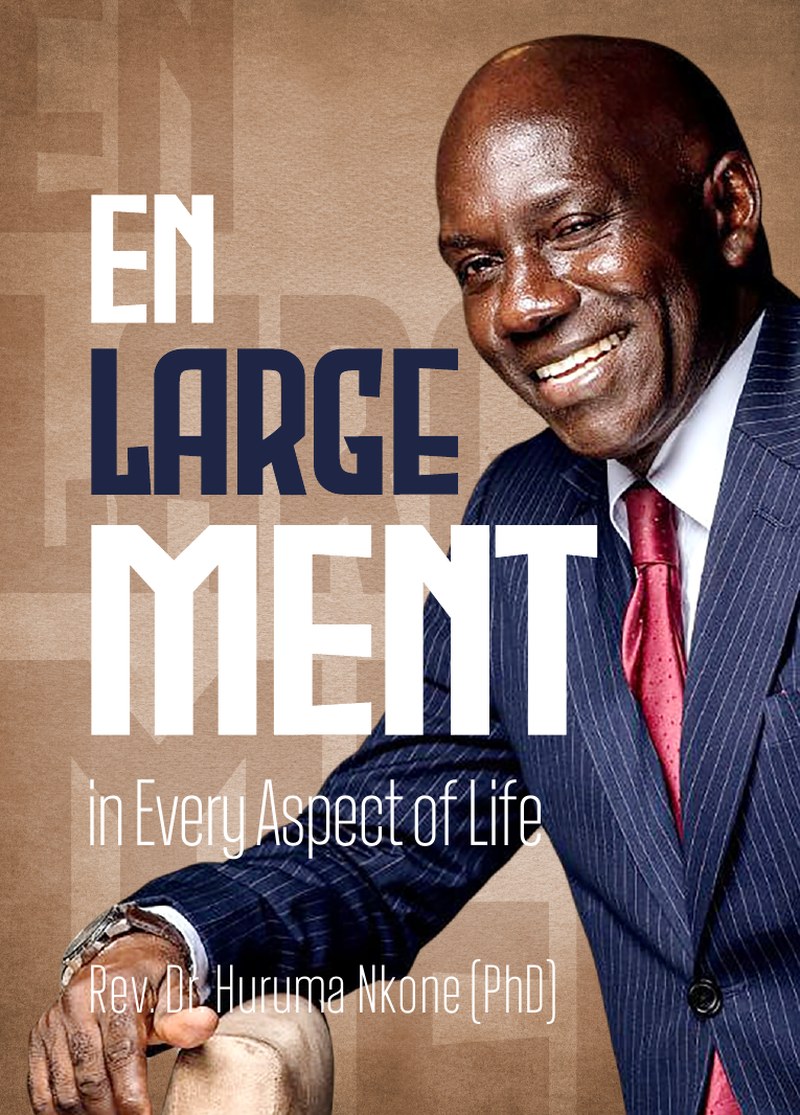
A Personal and Ministerial Perspective
“Where there is no vision, the people perish.”
In my life, I have learnt the role of vision in driving enlargement. Without a clear vision, people often drift aimlessly, lacking direction and purpose.
However, when combined with well-structured goal setting, vision paves the way for growth, transformation, and impactful leadership.
Setting specific, measurable, achievable, relevant, and time-bound (SMART) goals has been pivotal in my journey. As the senior pastor of TAG-Victory Christian Centre Tabernacle, I have witnessed firsthand the power of goal setting. When we set out to build a sanctuary that could accommodate 5,000 people, we faced significant challenges—financial constraints, land acquisition hurdles, and the daunting task of mobilizing our congregation. However, through faith, strategic planning, and commitment to our vision, we secured the necessary funds and purchased land in an upper-class suburb. This accomplishment reinforced my belief that enlargement is not accidental; it requires intentionality, resilience, and divine alignment.
Understanding Enlargement
Enlargement, in both personal development and spirituality, conveys the idea of expansion, growth, and progression. It extends beyond physical dimensions to include intellectual, emotional, and spiritual evolution. In my own life, I have experienced enlargement through various avenues my spiritual walk, leadership responsibilities, academic pursuits, and personal development.
From a spiritual standpoint, enlargement often involves an elevated state of consciousness, a deepened connection with God, and an expansion of one’s spiritual understanding. I remember a pivotal moment when I received a prophetic word that changed the trajectory of my ministry. During a prayer retreat, a fellow minister spoke over my life, declaring that my influence would extend beyond the local church to impact the nation. At the time, this seemed far-fetched, but as I embraced the word with faith, opportunities for speaking engagements, leadership training, and ministry growth began to manifest.
In the realm of personal growth, enlargement requires a continuous commitment to learning and self-improvement. For example, pursuing my PhD dissertation in church management has stretched my intellectual capacities, exposed me to new perspectives, and equipped me with skills to enhance church management. Enlargement is a holistic process that intertwines spiritual insight with practical application.
One powerful lesson I have learned is that words—prophetic, encouraging, or self-affirming—can shape destinies. A timely word can steer a person’s actions, instill faith, and propel transformation in various aspects of life. Enlargement often begins with a vision that is reinforced by faith-driven declarations.
Exploring Goal Setting
Goal setting is a practical and strategic approach to personal and organizational development. It involves identifying specific objectives that serve as a roadmap to success. Throughout my life, setting and pursuing goals has been a defining factor in my achievements.
When I embarked on my journey as a church leader, I realized the importance of setting clear goals for ministry expansion. One of my early objectives was to establish a structured discipleship program to nurture spiritual growth among believers. This required meticulous planning: defining curriculum content, training leaders, and implementing an accountability framework. Over time, the program yielded tremendous results, strengthening our congregation’s spiritual foundation.
Goal setting is a deliberate and conscious process that demands self-reflection and clarity of purpose. Whether short-term or long-term, goals provide a sense of direction. I recall a time when I set a personal goal to read at least one book per month on leadership and theology. Though seemingly simple, this discipline significantly contributed to my growth as a pastor, enabling me to offer well-informed teachings and guidance.
The process of goal setting also requires adaptability. Life is dynamic, and circumstances often change. When our church faced unexpected financial setbacks during the construction of our sanctuary, we had to revise our strategy, exploring alternative fundraising methods and adjusting project timelines. This experience reinforced the importance of flexibility in goal pursuit.
The Symbiosis of Enlargement and Goal Setting
Enlargement and goal setting are deeply interconnected. Setting meaningful and purposeful goals serves as a catalyst for personal and organizational growth. Below are key aspects of how these two concepts work together:
Vision and Purpose
Goal setting provides clarity on one’s vision and purpose. Without a defined vision, efforts may lack focus. My vision for Victory Christian Centre Tabernacle has always been to create a transformative worship experience that nurtures faith and community impact. This vision shapes every goal we set as a church.
Continuous Growth
The pursuit of goals fosters continuous learning. My journey in academic research has exemplified this principle. Conducting studies on church management has expanded my understanding, challenging me to refine strategies for effective leadership in urban churches.
Resilience and Determination
Achieving goals is not always easy. Challenges arise, but perseverance leads to breakthroughs. When we encountered zoning restrictions (?) while acquiring land for our church, we faced multiple legal and bureaucratic hurdles. However, our determination and faith led to a favorable outcome.
Expanding Horizons
As one goal is achieved, new aspirations emerge. Initially, my focus was solely on pastoral ministry, but as my leadership expanded, I developed an interest in research and writing. This led to my current endeavor of authoring books, further extending my influence.
Holistic Development
Enlargement encompasses all dimensions of life—physical, intellectual, emotional, and spiritual. Goal setting allows for intentional growth in each area. For example, maintaining a healthy lifestyle has become a priority for me, as I recognize that physical well-being impacts my ability to serve effectively.
Personal Empowerment
Setting and achieving goals instills confidence and self-belief. Overcoming obstacles in ministry, academia, and my personal life has reinforced my ability to navigate challenges with wisdom and faith.
Aligning with Values
True enlargement is rooted in integrity and alignment with one’s core values. Goals should reflect a commitment to ethical principles and spiritual convictions.
Practical Steps for Enlargement through Goal Setting
To integrate enlargement and goal setting into life effectively, consider the following practical steps:
Self-Reflection: Assess personal strengths, weaknesses, and aspirations.
Clarity of Purpose: Define a clear vision aligned with values and calling.
SMART Goal Setting: Establish goals that are Specific, Measurable, Achievable, Relevant, and Time-bound.
Prioritization: Focus on high-impact goals.
Adaptability and Flexibility: Be open to adjustments when necessary.
Continuous Learning: Invest in knowledge acquisition and skill development.
Spiritual Alignment: Engage in prayer, meditation, and studying God’s word.
Celebrate Milestones: Acknowledge progress and achievements.
Seek Guidance: Leverage mentorship and counsel from experienced individuals.
Contribute to Others: Enlarge others through service, mentorship, and community engagement.
Enlargement and goal setting are foundational for achieving personal and organizational success. My journey as a pastor illustrates the transformative power of visionary leadership and strategic planning. By embracing a mindset of growth, resilience, and faith, we can navigate challenges, expand our influence, and fulfill our God-given potential. The pursuit of enlargement is a lifelong journey, and through intentional goal setting, we can continue to advance in purpose and impact the world around us.
Spiritual Enlargement
Spiritual enlargement is a transformative and profound journey that transcends human existence’s physical and intellectual dimensions. It delves into the realms of the soul and the divine, fostering a deepening connection with spiritual principles, broadening one’s understanding of purpose, and expanding consciousness beyond the confines of everyday life.
As senior pastor leading a congregation of approximately 3,000 members, predominantly youth and university students, I have witnessed firsthand the significance of spiritual growth in individuals and the church community. Through vibrant ministries, dedicated discipleship, and intentional spiritual practices, believers cultivate an environment where faith thrives and expands. This chapter explores the essence of spiritual enlargement, its core components, practical manifestations, and the transformative power it holds in the life of a believer.
Understanding Spiritual Enlargement
Spiritual enlargement transcends traditional notions of personal growth. It is the deliberate, conscious, and intentional expansion of one’s spiritual awareness and relationship with God. Spiritual enlargement recognizes that human beings are not merely physical entities but also possess a spiritual essence that seeks connection, alignment, and communion with divine principles. This journey is marked by a continuous pursuit of a deeper relationship with God, a transcendence of self-centeredness, and an alignment with spiritual virtues that lead to a fulfilled and meaningful life.
Connection with God
At the core of spiritual enlargement is the desire for a deeper connection with God. It involves recognizing and nurturing one’s spiritual side through prayer, worship, scripture study, and obedience to divine guidance. Spiritual growth is not a passive process but an active pursuit that requires discipline, dedication, and a hunger for righteousness. Those who seek enlargement in their spiritual lives prioritize their relationship with God above all else, allowing Him to direct their steps and shape their character.
Throughout my pastoral journey, I have had moments where prayer and worship led to divine breakthroughs. One such experience was during a church revival where the presence of God was so powerful that young people surrendered their lives to Christ. This moment reaffirmed the significance of seeking God fervently as a catalyst for spiritual enlargement. Additionally, I have seen individuals struggle with spiritual dryness, only to experience a renewed connection with God through consistent seeking and perseverance.
Transcendence of Ego
Spiritual enlargement often necessitates transcending the limitations of the ego—the individual’s sense of self that is often driven by pride, selfish ambition, and worldly desires. This process involves shifting from a self-centered perspective to a God-centered life. True spiritual growth occurs when individuals embrace humility, recognizing their dependence on God’s grace and the need to serve others selflessly.
I remember a challenging season in my ministry when I had to surrender my ambitions to God’s calling. Despite having opportunities for personal advancement, I chose to stay committed to my calling. Though difficult, this decision led to exponential spiritual enrichment in my life. Many church members who once struggled with pride and self-sufficiency have also experienced a radical transformation when they submitted themselves fully to God’s will.
Expansion of Consciousness
A key aspect of spiritual enlargement is the expansion of consciousness. This goes beyond mere intellectual knowledge and encompasses a heightened awareness of God’s presence, the interconnectedness of all life, and a deep appreciation of divine mysteries. This expansion allows individuals to perceive life from a spiritual perspective, enabling them to respond to situations with wisdom, patience, and faith.
Alignment with Spiritual Principles
Individuals on the path of spiritual enlargement intentionally align their lives with biblical and spiritual principles. This involves embodying virtues such as love, compassion, humility, forgiveness, faithfulness, and integrity. By living according to ethical and moral guidelines, believers demonstrate their commitment to spiritual growth and willingness to reflect Christ’s character in their daily lives.
One of the most powerful testimonies in my pastoral experience was witnessing a long-standing conflict between church members resolve through prayer and forgiveness. Seeing them reconcile and grow spiritually was a testament to the power of alignment with God’s principles. This reinforced the idea that true spiritual growth cannot occur in isolation—it flourishes within the context of healthy, Christ-centered relationships.
Seeking Meaning and Purpose
Esto es aproximadamente el 72% de este capítulo. El resto continúa en el libro.
Comprar en Amazon ↗